Ahmet M. SPUŽIĆ
AHMED* SPUŽIĆ, son of MEHMED born on December 3, 1924* in Mostar, a tailor and a football player for FC […]


Mostar Battalion was formed as the “Konjički” in September 1941. Until the formation of the 13th Herzegovina Brigade in May 1944, 827 fighters passed through the Battalion, and 445 of them perished, including 211 from Mostar. Of the 86 women, 43 were killed. Mostar residents also fought in many other units of the NOVJ (People’s Liberation Army of Yugoslavia) and among the ranks of the activists of the National Liberation War in Mostar and other cities in Bosnia and Herzegovina… According to the records of the organization SUBNOR Mostar, every third citizen was an activist of the National Liberation War, 670 fighters were killed, 1517 were victims of fascist terror, and 206 were civilian war victims. Džemil Šarac, article “Sa Mostarcima” (“With the People from Mostar”), Hercegovina No. 9, p. 221.
“And we were all young. Those of us who were 17, 18 years old, some seemed old even though they were not older than 25. The ones over 30 were rare. There were girls and boys with different characteristics and temperaments, robust and calm, talkative and silent, recklessly brave and rational, ordinary and above-average, semi-literate and university-educated, workers and highly skilled craftsmen, high school students and university students, skilled singers and those who couldn’t carry a tune, jokers and serious-minded individuals. From all our nations and religions: Muslims, Croats, Serbs, Jews, Orthodox Christians, Catholics, Muslims, Jews, atheists, and semi-atheists. Some were from straight from Mostar and others from the surrounding locations, from Konjic and outside Konjic.” (Hercegovina Magazine No. 7, p. 238)
Groups of new fighters arrived from Mostar every 10-15 days, and the Unit quickly grew into a solid military force. The guides for the groups from Mostar were Mehmed Arap, Vasa Maslo, Serif Burić, Husa Orman, Vojo Ivanišević, and Pero Krajina, who were among the bravest and most resourceful fighters. The groups regularly brought not only weapons but also medical supplies, sugar for the hospital, writing materials, large quantities of paper, books taken from the National Library (which formed the library at Borci), and other supplies for the needs of the Unit. (Source: https://www.cidom.org/wp-content/uploads/2017/11/Hercegovina-u-NOB-1.pdf)
After the war, a street in Mostar was named after the Mostar Battalion.
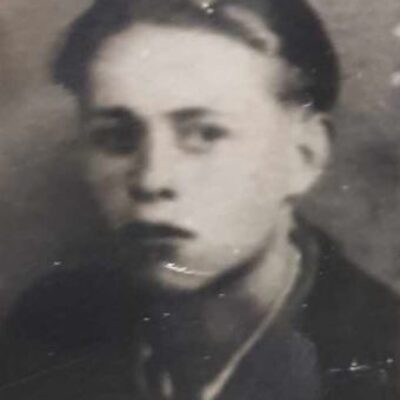
AHMED* SPUŽIĆ, son of MEHMED born on December 3, 1924* in Mostar, a tailor and a football player for FC […]

NEBOJŠA ŠAIN BUĆO, son of ŠĆEPAN, born on November 1, 1924, in Mostar, a student at the Commercial Academy and […]
MEHMED ŠAPUH, son of SALIH, born on September 25, 1921, in Mostar, electrician, football player for FC “Velež,” member of […]
ELEFIF ELFA ŠARAN, son of SALIH, born in 1921, Mostar, carpenter, member of SKOJ since 1941. He worked at the […]
NIJAZAH NIJAZ NIZA ŠARIĆ, son of HUSEIN, born on November 10, 1909, in Mostar, locksmith. Head of the League of […]
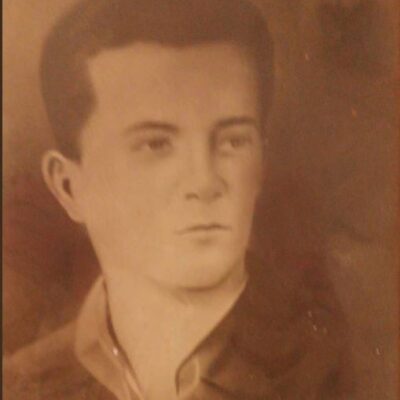
KEMAL ŠARIĆ, son of ALIJA, born on November 6, 1921, in Mostar, worker, joined the Battalion in November 1941. Surivivor […]
HIDAJET HIDO ŠARIĆ, son of HUSEIN, born on March 16, 1924, in Mostar, high school student, member of the League […]

SALIH SALKO ŠEHOVIĆ, son of MUHAREM, born on February 28, 1917, in Mostar, farmer (gardener), and workers’ movement activist. Joined […]
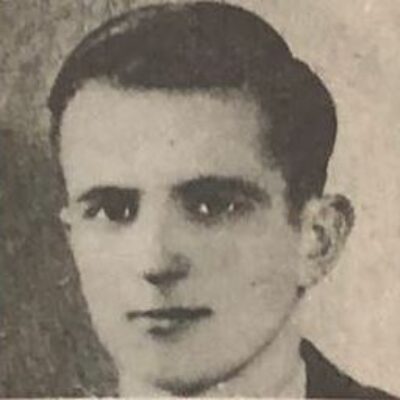
AHMET ŠEHOVIĆ, son of MUHA, born on June 4, 1919, in Mostar, a locksmith, member of the Communist Youth League […]

SALIH SALKO ŠESTIĆ, son of SULEJMAN, born on April 5, 1922, in Mostar, a high school student and amateur photographer. […]